
Nutcracker Soldier History: Origins and Cultural Significance of the Classic Christmas Icon
Nutcracker soldiers—those wooden, toy-like figures—have kind of snuck their way into Christmas traditions almost everywhere. They trace their roots back to Germany, where they were originally crafted to resemble kings, soldiers, and other folks in power. These days, you’ll spot them on mantels and shelves all over the place once December rolls around, standing at attention in their flashy uniforms.
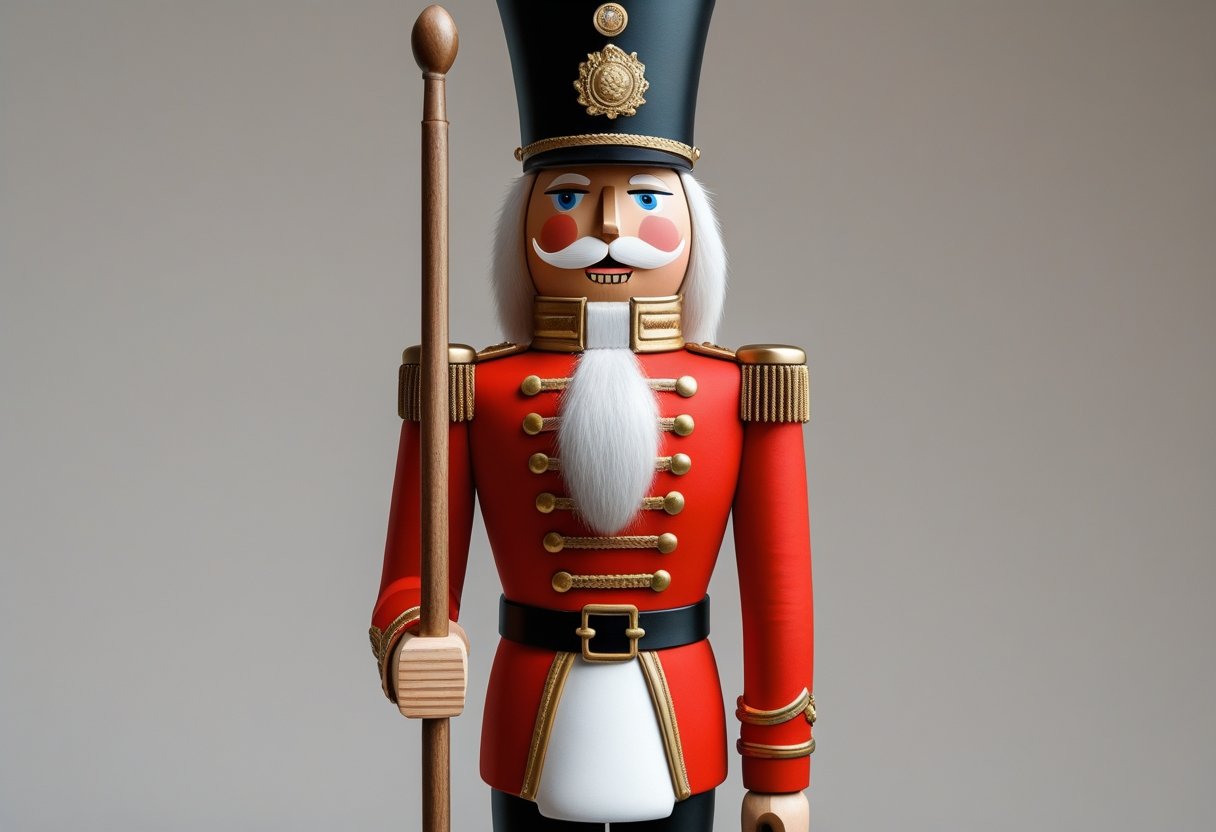
People say nutcracker soldiers symbolize strength and serve as quirky little guardians, supposedly keeping families safe from bad luck and mischief. They show up in all shapes and sizes—some small enough to tuck onto a bookshelf, others so big you could park them on your porch. The outfits? Usually a riot of reds, greens, blues, and golds, with swords, bugles, or banners in hand.
Maybe you know them from the ballet, but honestly, these nutcracker figures have been around way longer—as both actual tools and as decorations. If you’ve ever thought about collecting them or just wanted to know why they’re such a Christmas staple, diving into their German roots and quirky history might help you pick out a favorite for your own holiday setup.
Key Takeaways
- Nutcracker soldiers got their start in Germany, representing military and royal types
- They’re meant to symbolize protection and strength for the home
- Nutcracker soldiers come in all sorts of sizes and styles, from tiny handmade pieces to massive outdoor versions
Nutcracker Soldier: Origins and Cultural Significance
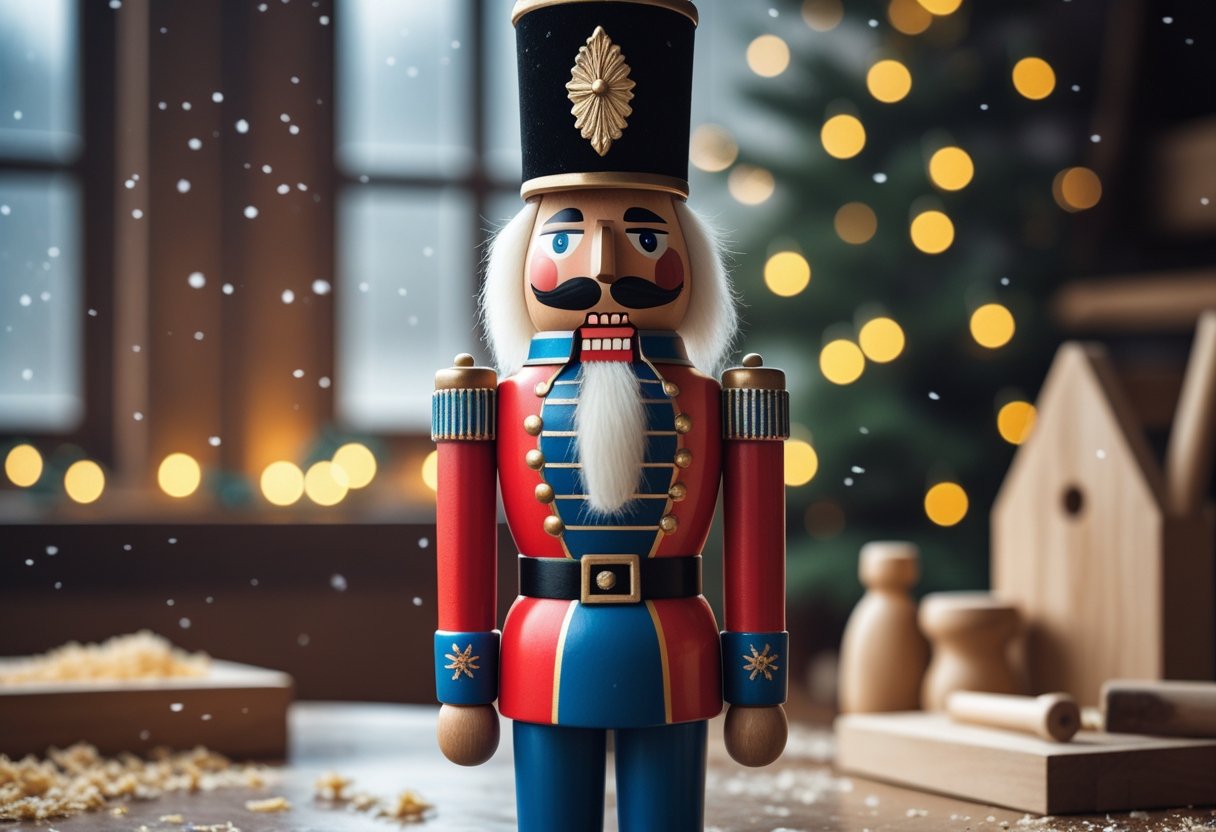
Nutcracker soldiers popped up from German woodcarving traditions back in the late 1600s and slowly became the Christmas icons we know. These figures were modeled after authority figures—kings, soldiers—and took on a deeper meaning over time, tied to protection and the spirit of the holidays.
The Early History of Soldier Nutcrackers
The first soldier nutcrackers showed up in 17th-century Germany, mostly in the Ore Mountains (the Erzgebirge, if you want to be precise). Craftsmen there were already pretty skilled with wood, so carving these little figures wasn’t much of a stretch.
They looked a lot like toy soldiers or aristocrats—kings, guards, officers. It was a bit of a wink at the social order; these powerful folks were now just nutcrackers. The designs reflected who was in charge back then, and owning one was a playful way to poke fun at authority.
Nutcrackers as tools had been around since the 14th century, but the soldier-style ones really caught on in the 1600s. Fast forward to 1872: Friedrich Wilhelm Fuchtner started mass-producing them with water-powered lathes, which suddenly made them affordable to more than just collectors with deep pockets.
German Nutcrackers and European Traditions
Nutcrackers from the Erzgebirge are easy to spot—bright colors, bold features, and a certain charm that’s hard to miss. These guys usually have uniforms that pop, big jaws, and faces that look like they’re ready for a storybook.
Artisans didn’t skimp on the paint—vivid reds, blues, greens, golds. The uniforms and faces got plenty of attention, turning what could’ve been a simple tool into something fun to display.
In German folklore, families believed nutcracker soldiers kept evil spirits at bay and brought a little luck in winter. With those beliefs, it’s no wonder nutcrackers became more than just decorations—they felt like good omens.
Symbolism and the Role as Christmas Decorations
With their military getup and serious expressions, nutcracker soldiers came to stand for bravery and loyalty. People liked having them around at Christmas, maybe as a reminder of strength when the nights got long.
Tchaikovsky’s The Nutcracker ballet in 1892 really locked in their association with Christmas. The tale of a nutcracker coming to life on Christmas Eve? It’s hard not to think of the holidays after that.
After WWII, American soldiers stationed in Germany brought nutcrackers back home. That’s how the tradition spread across the Atlantic. Now you’ll find them all over the place every December, still holding onto that old-school holiday magic.
Design, Craftsmanship, and Collecting Nutcracker Soldiers
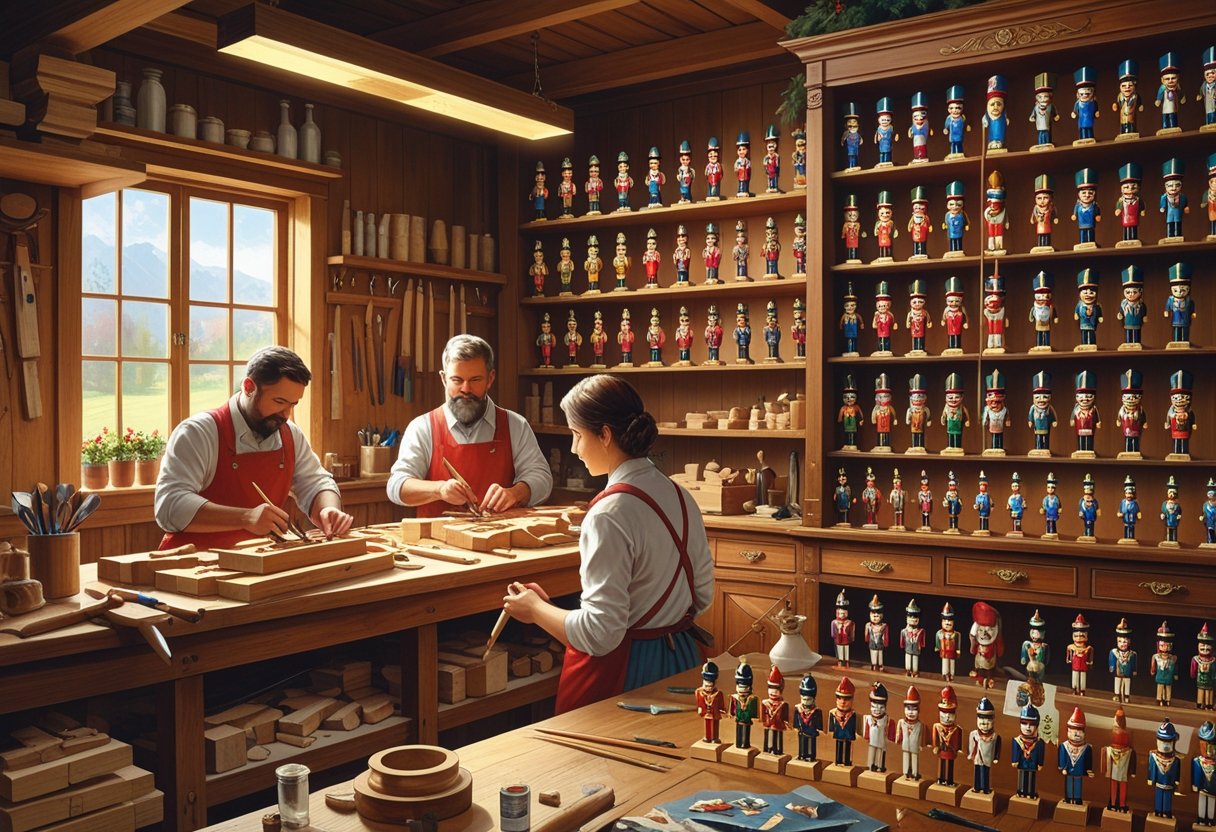
Nutcracker soldiers blend woodworking and painting in a way that’s made them a holiday classic. If you’re eyeing one for your home or thinking about starting a collection, it’s worth knowing how they’re made and what sets them apart.
Traditional Handcrafted Nutcracker Features
A typical handcrafted nutcracker stands somewhere between 10 and 18 inches tall, with a jaw that opens if you pull the lever on its back. The body, arms, and head are shaped on a lathe, then pieced together.
You’ll notice the classic military look—painted uniforms, shiny brass buttons, tall hats. The faces? Usually bold, with heavy eyebrows, a mustache, and a toothy grin. Artisans paint these by hand, layering on the colors for depth.
By the 1800s, German craftspeople had their nutcracker game down. Wilhelm Füchtner, in particular, started cranking them out using lathes in 1872, which made them more consistent (and easier to find). He’s kind of a legend in the nutcracker world.
Types and Styles of Nutcracker Soldiers
There’s a nutcracker for just about every taste. Some wear the uniforms of drummers, guards, or officers—each with their own color combos and accessories.
And it’s not just soldiers anymore. Kings, princes, even animals and holiday-themed characters have joined the lineup. Sizes go from tiny four-inch minis to massive, three-foot-tall showpieces.
Collectors sometimes chase after certain themes or eras. Vintage German nutcrackers from the mid-1900s are especially popular. Limited editions or artist-signed pieces? Those can get pricey fast.
Unique Gift Ideas and Exclusive Offers
Nutcracker soldiers make fun and memorable gifts—great for Christmas, housewarmings, or just because. You can even find personalized ones with custom paint jobs or name plates. Gift sets with smaller matching nutcrackers or themed extras are out there, too.
Retailers usually have special deals during the holidays—bundle discounts, early-bird prices, that sort of thing. If you sign up for emails from specialty shops, you might catch a few limited-time offers, maybe even free shipping or a first-time buyer discount.
Where to Buy and Sell Nutcracker Soldiers
During the Christmas rush, you’ll spot nutcracker soldiers at craft stores, holiday pop-ups, and department stores. Online, you can shop for them year-round, both new and vintage. German Christmas markets and import shops are great if you want the real deal from Europe.
Thinking of selling? Platforms like Etsy are perfect for reaching folks who love handmade or vintage nutcrackers. You’ll need to set up an account, add good photos and descriptions, and confirm your info before your shop goes live.
Antique shops and consignment stores sometimes take quality vintage nutcrackers, and online auctions give you a shot at connecting with collectors around the world. If you’ve got something rare, getting it appraised first isn’t a bad idea.
Frequently Asked Questions
Nutcracker soldiers have a pretty wild history, stretching from their German beginnings centuries ago to their current status as collectible holiday icons. If you want to really appreciate them, it helps to know a bit about their background, value, and how to care for them.
What is the origin and history of traditional nutcracker soldier figures?
Traditional nutcracker soldiers got their start in 17th-century Germany. Craftsmen in the Ore Mountains carved wooden figures that could actually crack nuts, thanks to a lever on the back.
Early designs were all about kings and soldiers. There was something kind of cheeky about regular folks using these “powerful” figures to crack nuts—almost like flipping the social order on its head.
According to German folklore, nutcrackers protected homes from bad spirits. People would put them in their windows for a little extra luck, especially during the colder months.
How can you tell if a nutcracker soldier is an authentic and valuable collectible?
Look for hand-carved details, solid wood, and a working jaw—those are good signs you’ve got a real German nutcracker. Check the bottom for marks or stamps from makers like Steinbach or Christian Ulbricht, and look for a “Made in Germany” label if you want the genuine article.
Value depends a lot on age and condition. Nutcrackers from the 1800s or early 1900s are especially prized, but only if the paint’s still original and there’s no major damage.
What do the different uniform styles and designs of nutcracker soldiers represent?
Uniforms usually reflect different military traditions and eras. You’ll see Prussian guards, British soldiers, and other European units from across the centuries.
The colors and details actually mean something—red coats for British soldiers, blue for German or American ones. Gold trim and fancier decorations usually mean higher ranks, like generals or kings.
Some nutcrackers step outside the military and show other professions—firefighters, police, that kind of thing—but soldiers are still the most classic look.
What is the significance of nutcracker soldiers in holiday traditions and decor?
In Germany, nutcrackers became a Christmas must-have. Putting them in the window during winter was supposed to ward off evil and bring good luck.
The 1816 story “The Nutcracker and the Mouse King” by E.T.A. Hoffmann really cemented the Christmas connection, and Tchaikovsky’s ballet in 1892 made it global. Now, nutcrackers are basically shorthand for holiday cheer and nostalgia—part tool, part decoration, and a direct line to old European Christmases.
How are nutcracker soldiers made, and what materials are commonly used?
Traditional nutcrackers usually start with pine, beech, or birch. The wood gets turned on a lathe to make the body and head.
Carving comes next—faces, uniforms, little details like mustaches and teeth. Each one gets a bit of personality this way.
When it’s time to put it all together, the arms, legs, and jaw get attached, and then everything’s painted (usually with acrylics). Some even get fabric trim or faux fur for hair and beards—nice touch, honestly.
What maintenance and care are recommended for preserving nutcracker soldiers?
Try to keep your nutcracker soldiers out of direct sunlight or near radiators—too much light will fade their colors, and heat? Well, that can warp or crack the wood faster than you’d think.
Give them a gentle dusting with a soft, dry cloth every so often. Water and cleaning sprays are a no-go; wood and moisture just don’t mix, and paint can lift off if you’re not careful. If you spot a stubborn smudge, maybe use a barely damp cloth, but make sure you dry it right away. No soaking allowed.
When you’re not showing them off, store your nutcrackers somewhere cool and dry. Wrapping each one in acid-free tissue paper and tucking them into sturdy boxes helps keep scratches and dings at bay. Oh, and take a quick look at the jaw mechanism once a year—if it feels stiff, a tiny drop of wood-safe oil should do the trick.